Derringer (Deringer), Pennsylvania
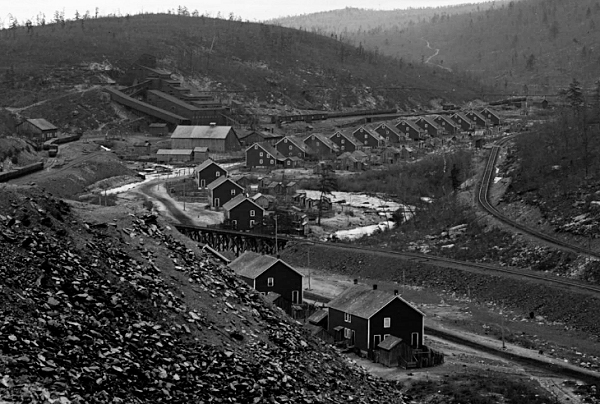
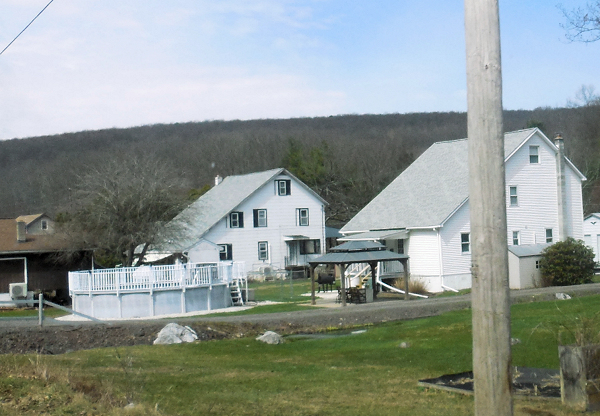
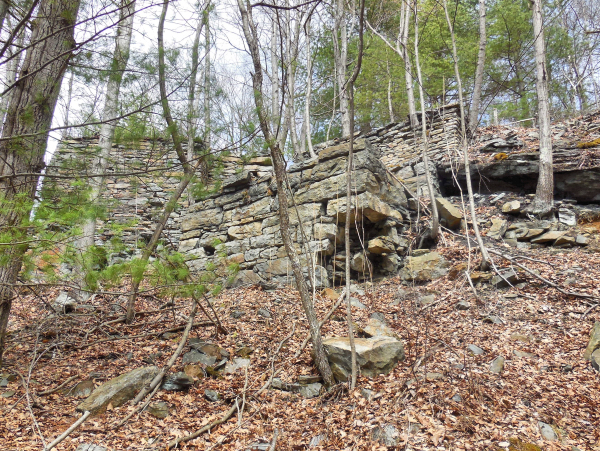
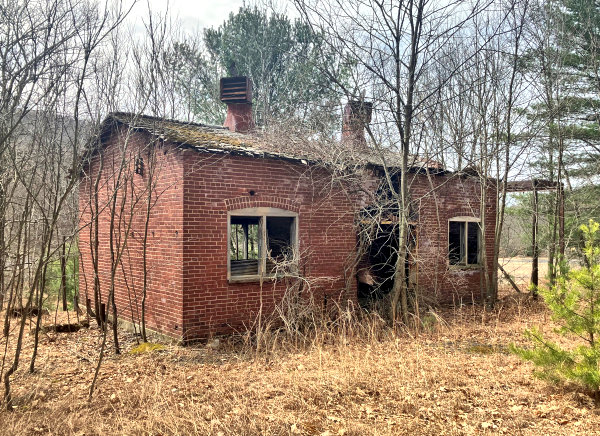
Derringer Colliery, sometimes spelled Deringer, was opened in 1880 by Coxe Bros. & Co. It was, at first, known as Lower Cross Creek Colliery and named for Henry Derringer, an associate of the Coxe Brothers (who had several other anthracite coal operations in this field). In 1884, the breaker burned and was replaced at once. Coxe Brothers continued mining at Derringer until 1889, when it was idled for two years. By 1892, Derringer had reopened and Coxe Bros. were the largest coal producer with the most employees in this coalfield. They put their mines under the name Cross Creek Coal Co. in 1894. In the late 1890s, a sister mine up the road at Tomhicken began sending its coal to Derringer breaker for processing and train loading. The operator's name reverted to Coxe Bros. & Co., Inc. in 1900. Also in that year, a pneumatic compressor plant was added to power some of Derringer's surface and underground equipment. By the early 1900s, Derringer Colliery was processing coal from not only Tomhicken mine but also nearby Gowen Colliery. At times the operation reported coal production under the name Derringer-Gowan or Derringer-Gowen-Tomhicken. The Mammoth, Buck Mountain, Wharton, Primrose and Gamma coal veins were being mined. From 1920 until 1922 the coal was sent to Lehigh Coal Company's Hazleton Shaft for cleaning and rail shipping. Perhaps the Derringer breaker was being rehabilitated at that time. At any rate, Coxe Bros. continued strip and deep mining at Derringer until coal production declined in 1937. Then they leased it to Haddock Mining Co. For a time Haddock named the operation Highland No. 2. Beaver Meadow Coal Co. leased Derringer in 1939-40 and sent the coal to Haddock's Candlemas breaker. In 1941, Haddock reacquired Derringer and production rose. Haddock continued to mine coal at Derringer until September 1949. Then Jeddo-Highland Coal Co. became the new operator. Jeddo transported Derringer deep and strip mined coal to their No. 7 breaker on the other side of Hazleton until ending Derringer production entirely in 1955 and ending the story of one of southern Luzerne County's most productive anthracite collieries.