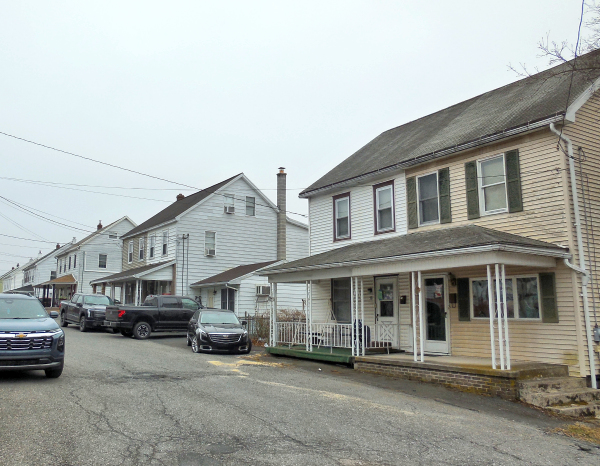
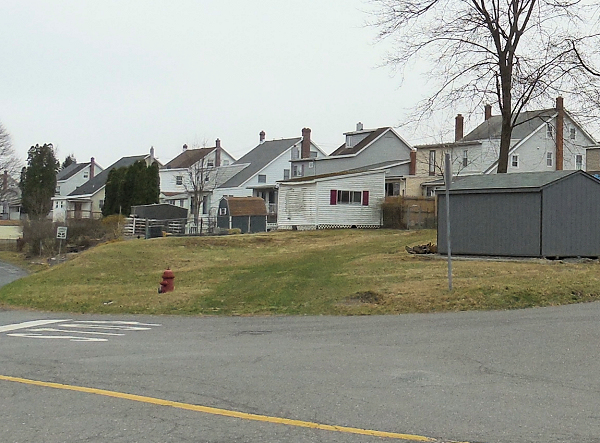
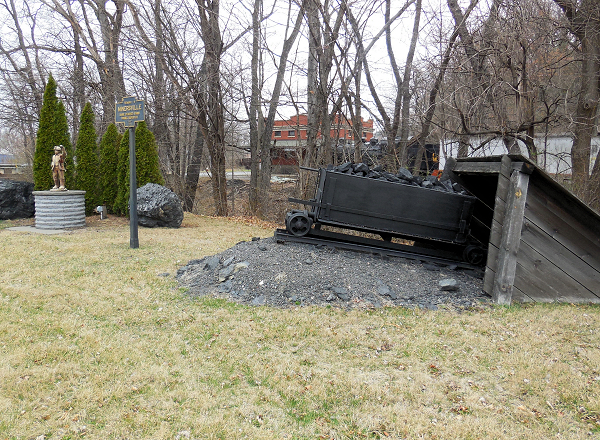
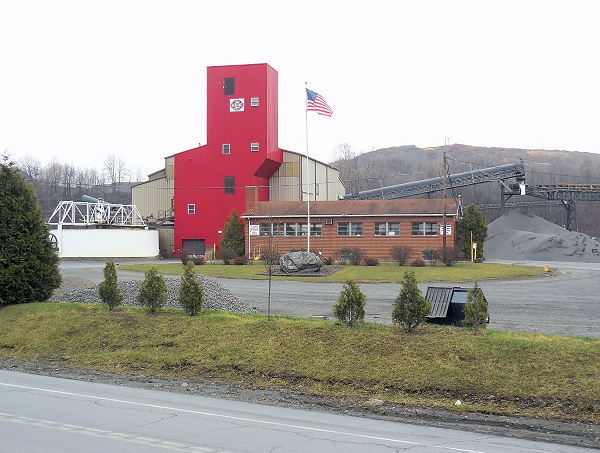
March 2026 image by author
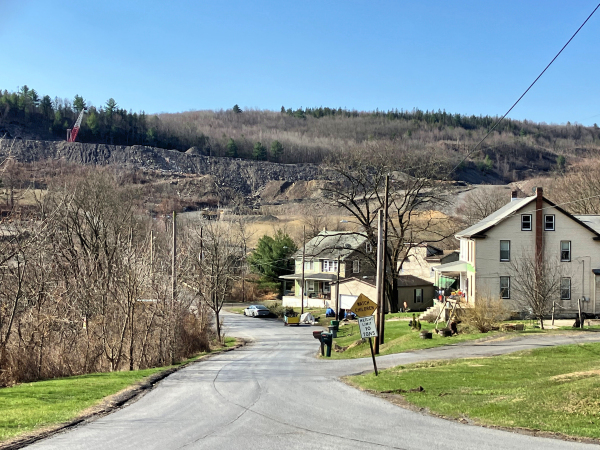
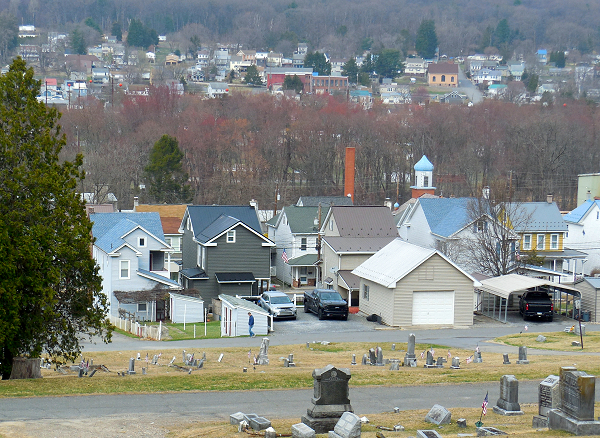
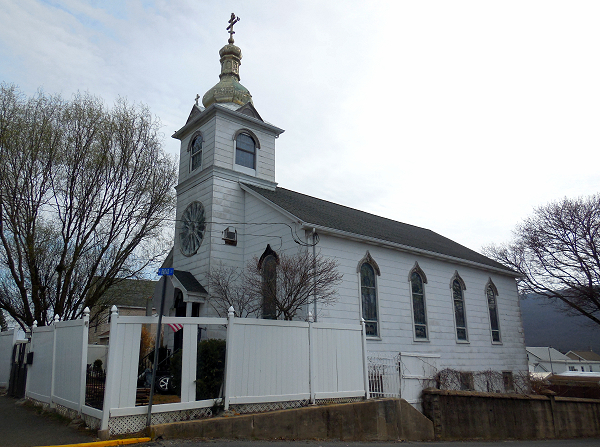
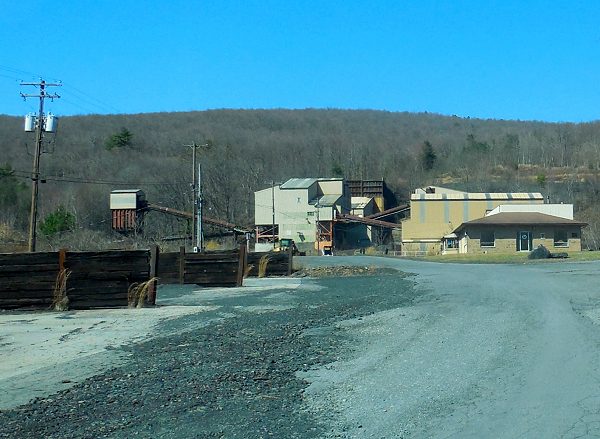
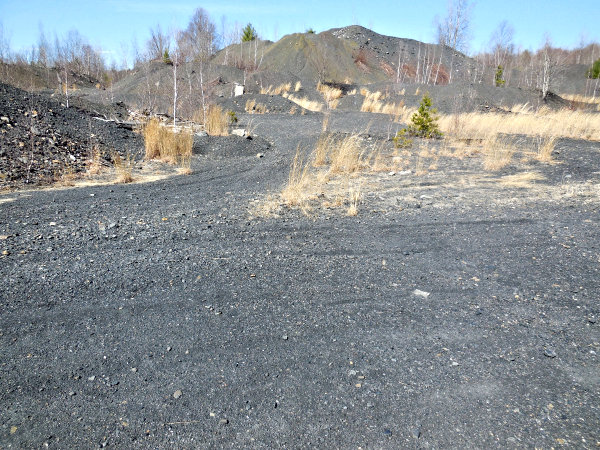
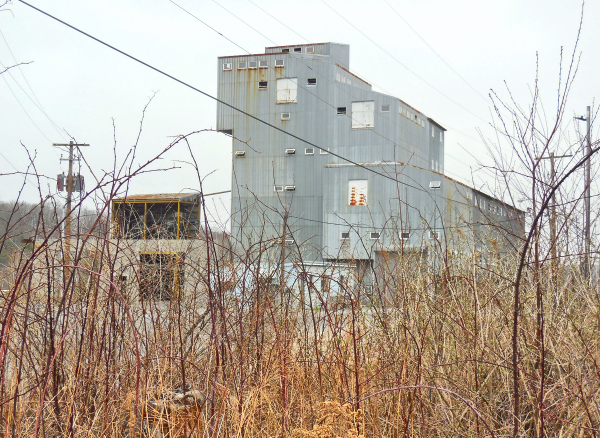
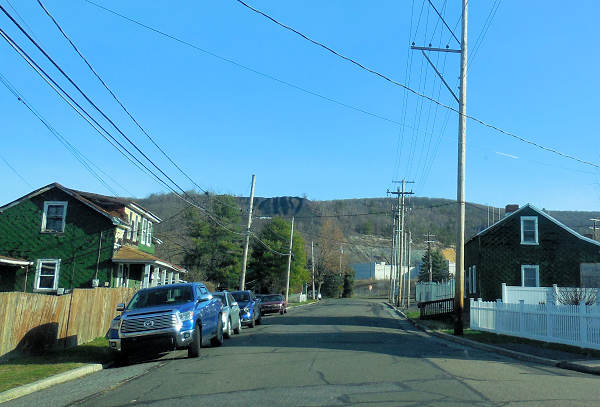
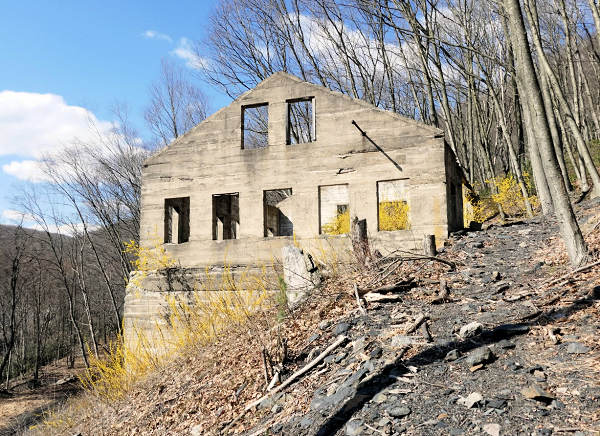
Thomaston, Pennsylvania.
March 2026 image by author
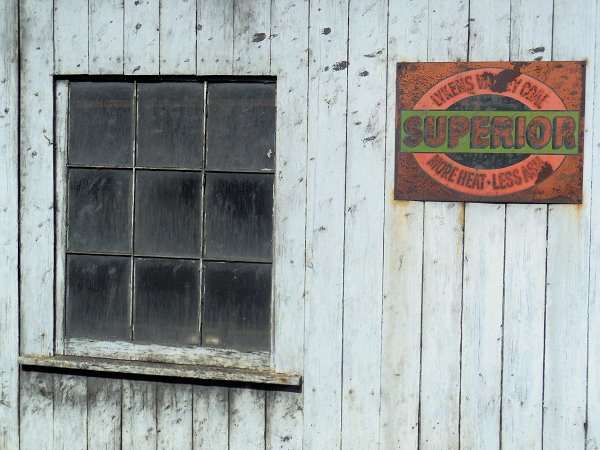
Detail of a small, wooden breaker near Valley View, PA.
March 2025 image by author
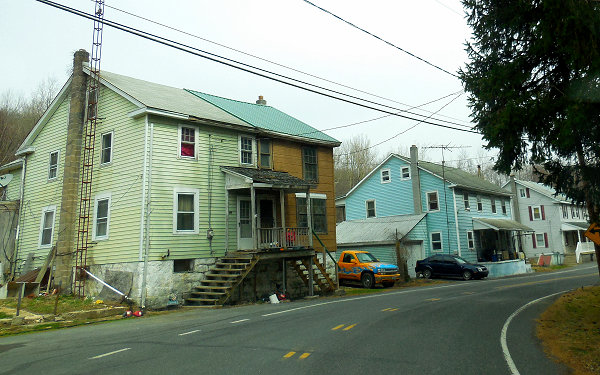
Here are some of the remaining company houses at Lincoln Colliery. Levi Miller & Co. opened Lincoln Colliery in Tremont Township in 1869. After a few years the mine was idled in 1874. Miller reopened Lincoln around 1877 and it was a successful operation until the boiler house exploded in 1883. Miller moved on to open a new mine a few miles away which would be known as New Lincoln (see Joliet below). Then Lincoln Colliery was, at times, known as Old Lincoln and became an operation of the mighty Philadelphia & Reading Coal & Iron Co. This firm mined coal at Lincoln until idling it in 1889 to make improvements. When Lincoln reopend in 1890, it started many years of good production and upgrades in the surface and underground facilities. A new breaker was built in 1903. By 1906, some of the gangway portals were two miles long. In the 1910s, a new "washery" was built and the culm banks reprocessed. As late as 1929, hundreds of men worked at Lincoln Colliery (although I don't know where they lived when the patch was so small). Yet, in 1931, Philadelphia and Reading closed Lincoln Colliery.
March 2025 image by author
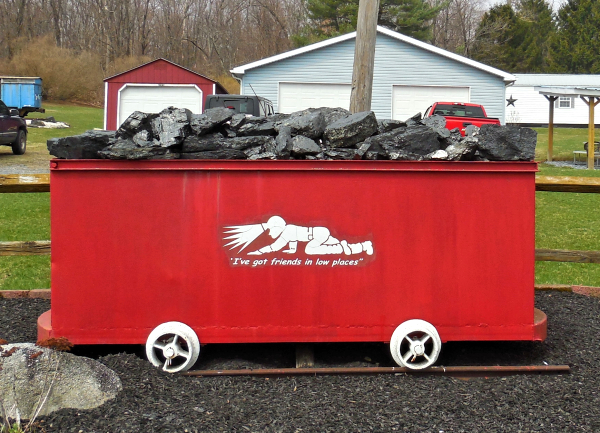
A coal heritage display in a front yard in Lincoln. Even though Lincoln Colliery closed in 1931, a company named Lincoln Anthracite Co. operated a breaker at Lincoln in the 1950s (perhaps the one built in the 1910s). Other firms mined coal (surface, underground, culm) at Lincoln off and on into the early 21st century.
March 2025 image by author
Two Dauphin County communities where the mining of anthracite coal used to be big business: Lykens, Pa. and, in the background Wiconisco, Pa.
March 2025 image by author
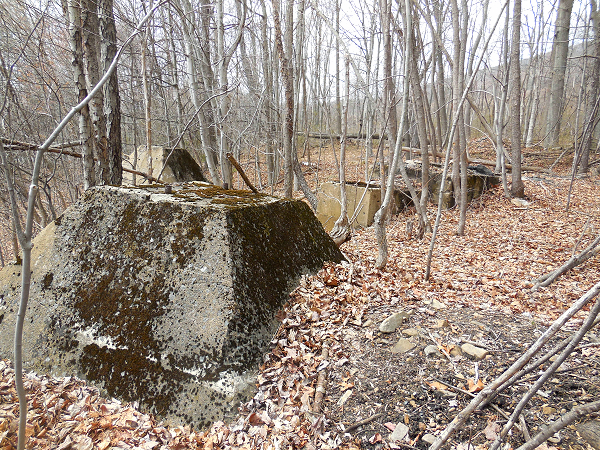
Foundations for long-gone tanks that were part of an anthracite coal briquetting plant at Wiconisco.
March 2025 image by author
Rausch Creek Coal's Lykens Breaker at the southern edge of the anthracite coal region.March 2025 image by author
Two of the remaining coal company houses for Summit Branch Coal Company's Williamstown Colliery at the edge of Williamstown. There are also
a few remaining "patch" houses on Greenfield Street, but these are the last two of what was once a twenty house village.
March 2025 image by author
This former Greek Byzantine church that once served the Eastern European immigrants in Williamstown is now a residence.April 2025 image by author
Tuscarora breaker.April 2025 image by author
Culm banks near Pottsville.March 2025 image by author
RIE anthracite breaker near Llewllyn, Pa. March 2025 image by author
The "patch town" for York Run Colliery is located between Minersville and Pottstown. The first anthracite mining in this neighborhood was in the 1810s for local use. A full blown mine that actually shipped coal was in operation here from 1836 to 1857 and was operated by George Potts. The breaker burned in 1857 and the mine abandoned. Then, in 1889, Lehigh Valley Coal Co. purchased the property and reopened it as York Farm Colliery. Lehigh Valley spent a few years dewatering the old underground workings and making improvements and repairs (new breaker, new fans, etc.). These company houses were probably built at that time. By 1892, production had finally come on line when disaster struck. 15 coal miners died in an explosion in the York Farm mine in July 1892. However, York Farm continued to produce coal throughout the 1890s. The colliery experimented with disposing of culm in abandoned workings instead of culm banks on the surface. It was formally abandoned in February 1899, proving to be one of Lehigh Valley Coal Company's lesser investments. Fortunately, that firm still maintained anthracite collieries in other locations to provide fuel for the parent company - Lehigh Valley Railroad.
March 2025 image by author
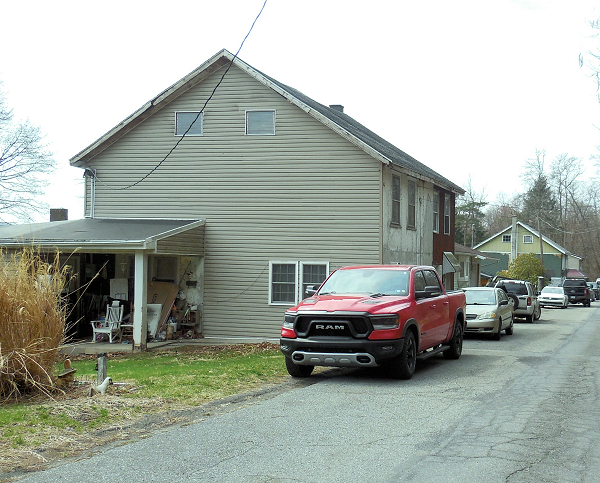
Back yards at the York Farm "patch town." These houses are probably the only surface remnant of the York Farm Colliery.
March 2025 image by author
Anthracite coal heritage display at Minersville, Pennsylvania.March 2025 image by author
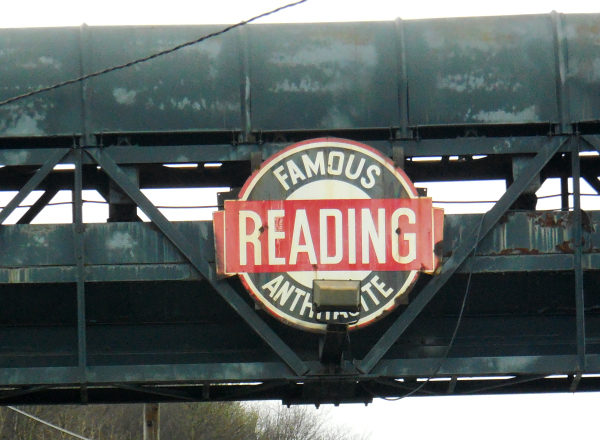
Reading Anthracite's New St. Nicholas Breaker. There used to be a larger plant behind this structure. March 2025 image by author
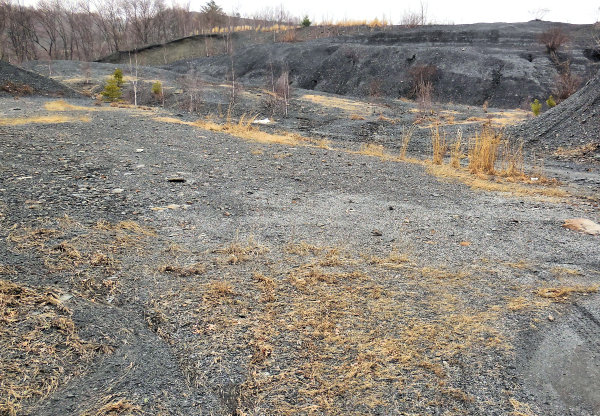
Coal moonscape above the New St. Nicholas Breaker.March 2025 image by author
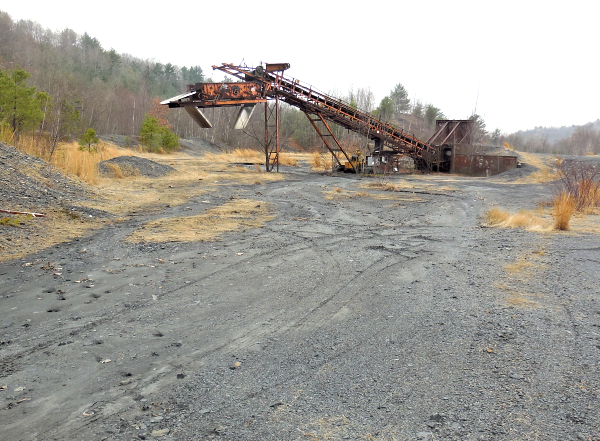
A coal screening station near the New St. Nicholas Breaker. March 2025 image by author
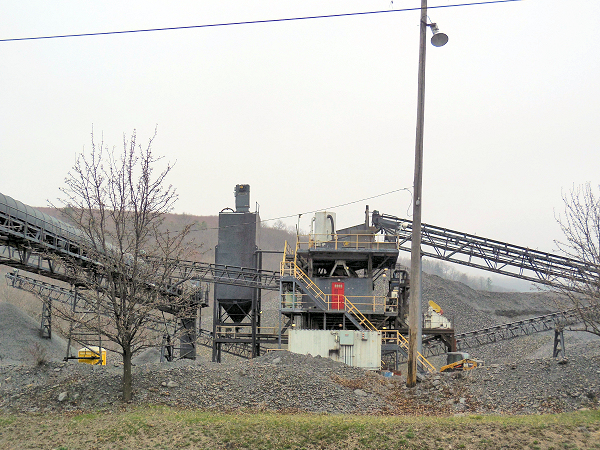
Crushing and screening station across the road from the New St. Nicholas Breaker.2024 image by author
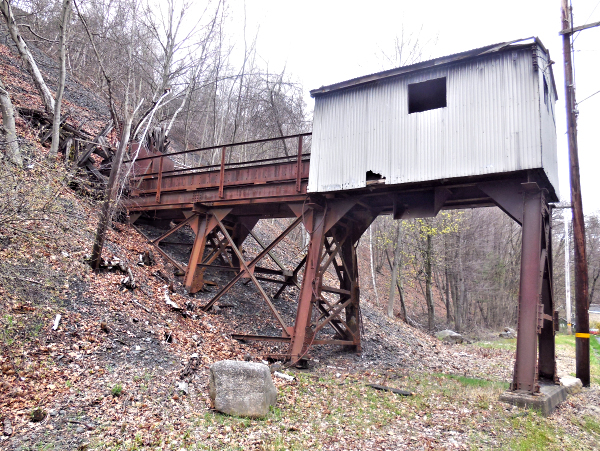
House coal tipple near Minersville.2024 image by author
Coal conveyor crossing over the road.2024 image by author
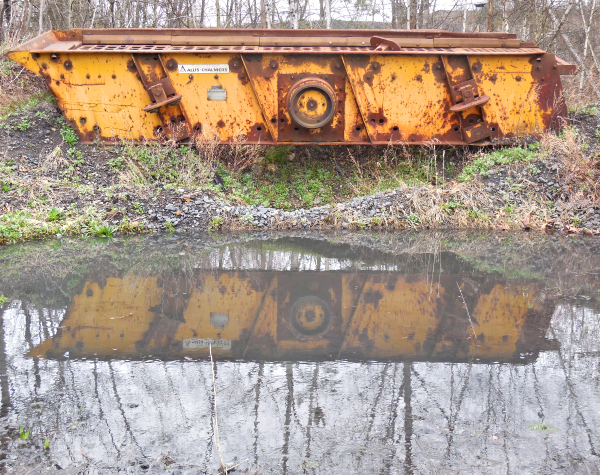
An old Allis-Chalmers coal screen and its reflection.March 2025 image by author
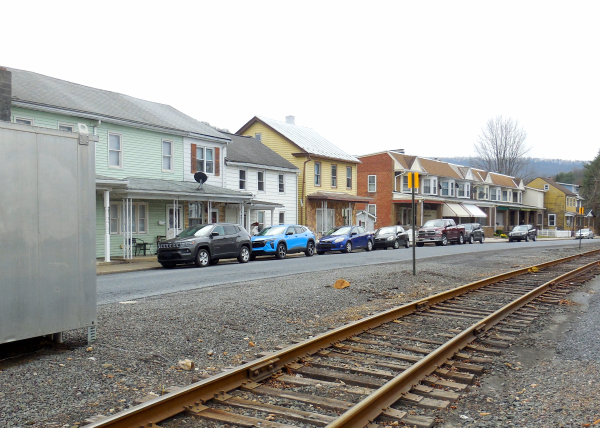
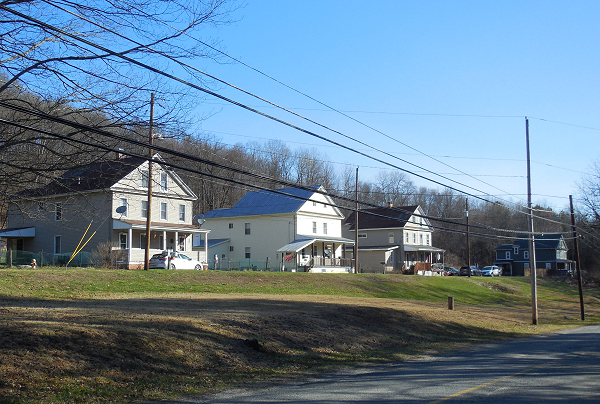
Streetscape in Tremont, Pennsylvania.March 2026 image by author
These are two of the oldest coal company houses in Appalachia. They were probably built in the 1850s to house the families of the workers of Johns Eagle Colliery near St. Clair. The little company housing plan was known as John's Patch. In the background can be seen the old culm bank from the colliery. 2024 image courtesy of Kaylee Marie
There are still some remains of the Eagle Colliery to be found. March 2026 image by author
What's left of the "patch" of Reevesdale Colliery, about two miles southwest of Tamaqua. Reevesdale was opened in the 1860s along the Schuylkill Valley Railroad. Early operators included George W. Cole, Pardee & Donaldson, and Reevesdale Coal Company. It was idled in 1873 and the giant Philadelphia & Reading Coal & Iron Co. acquired Reevesdale at that time. A small tonnage was produced in 1874, and then it was idled for many decades. P.& R. C.& I Co. finally reopened Reevesdale in October 1917. These company houses probably date from that time. Also at this time, the breaker was updated. This was understandable because many coal processing innovations had taken place since Reevesdale's idling over 40 years prior. Reevesdale Colliery closed for good in 1928.