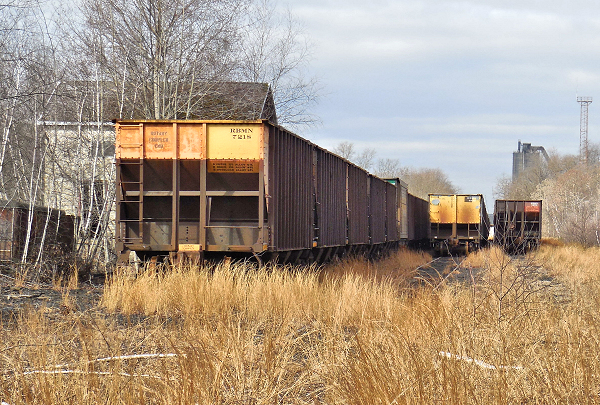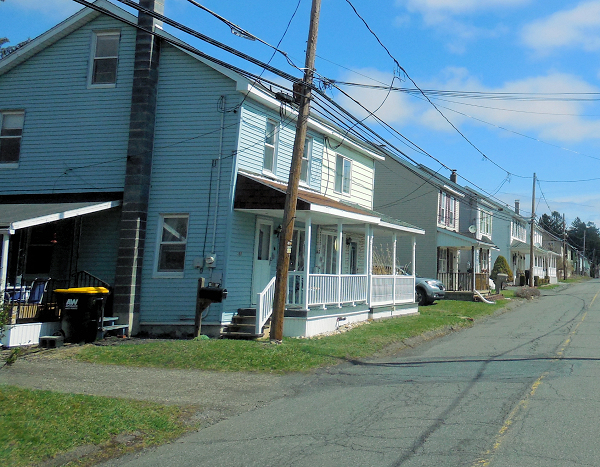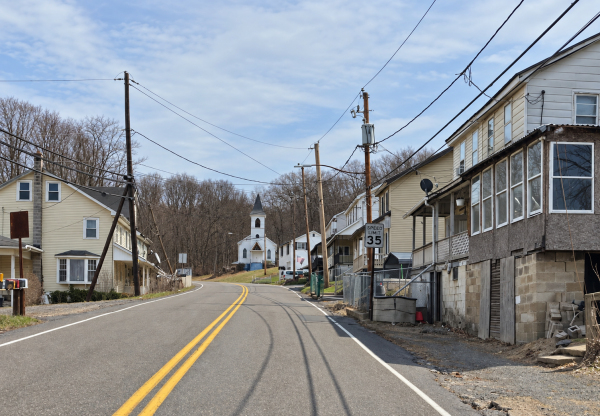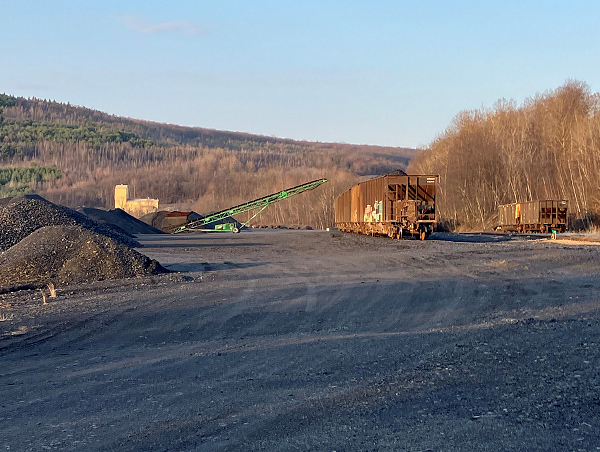
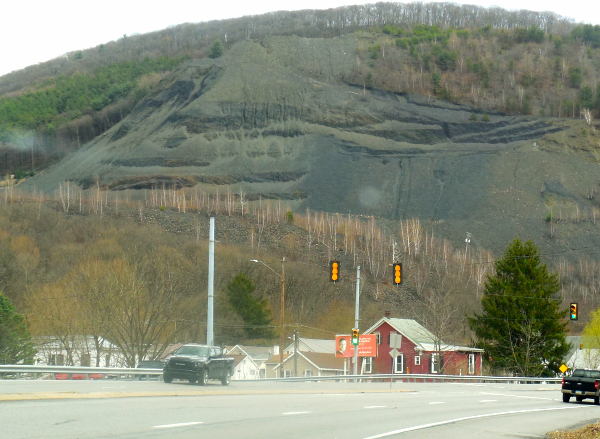
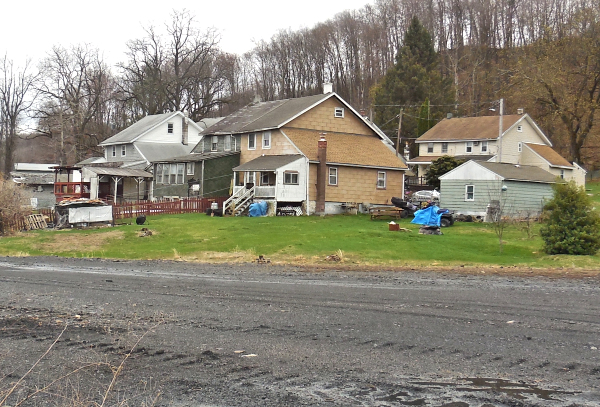
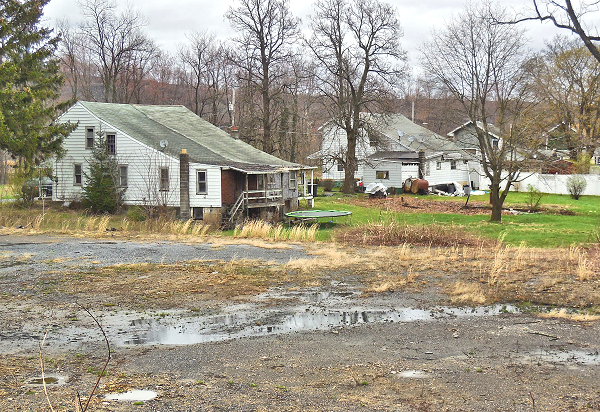

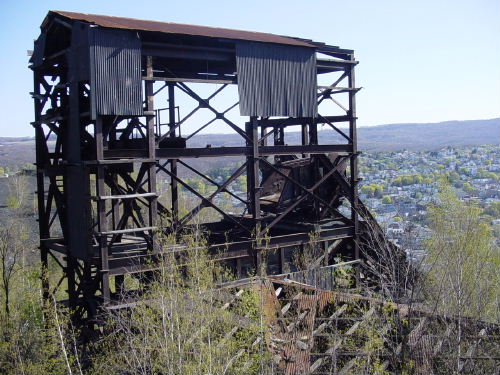
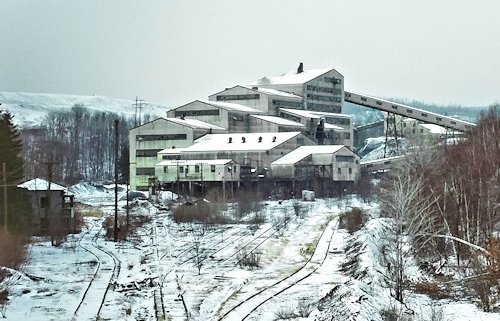
St. Nicholas was named after the existing "patch town" and colliery that was at this location that predated the central breaker's construction in 1931. St. Nicholas was a decent sized coal village, but was gradually destroyed through the 20th century. Only a handful of houses and a church remain.
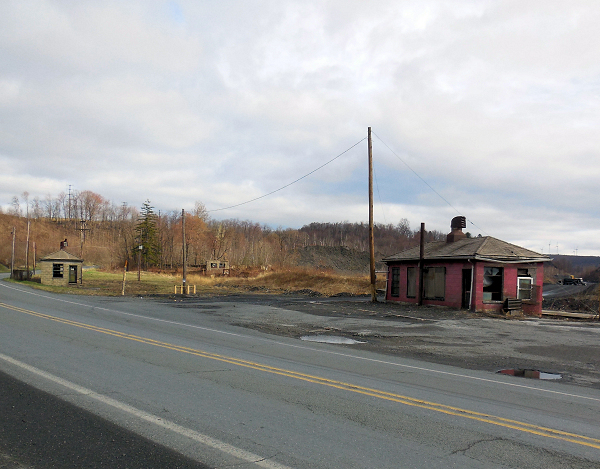
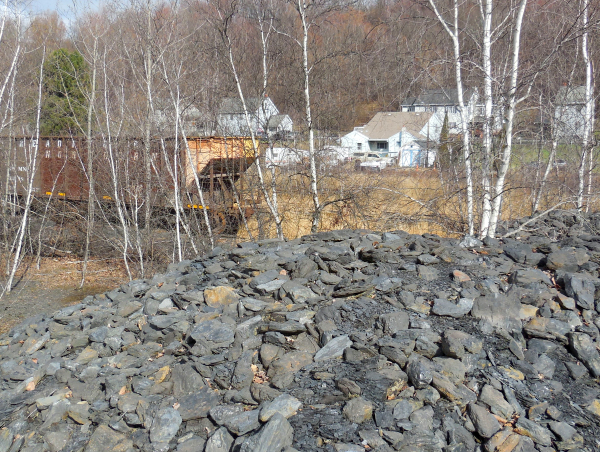


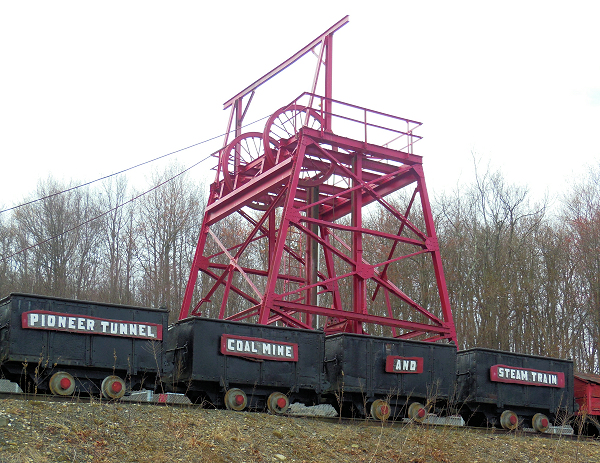
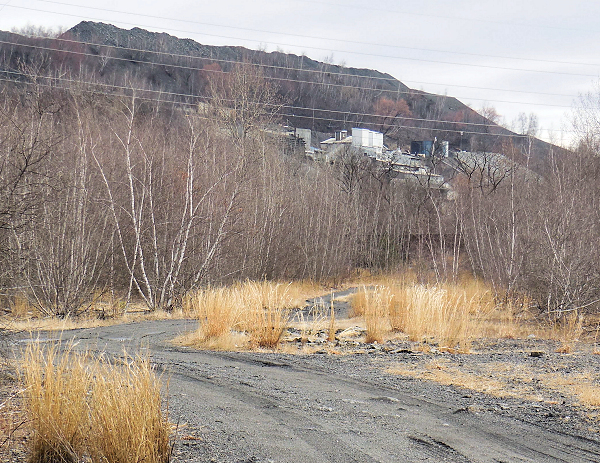


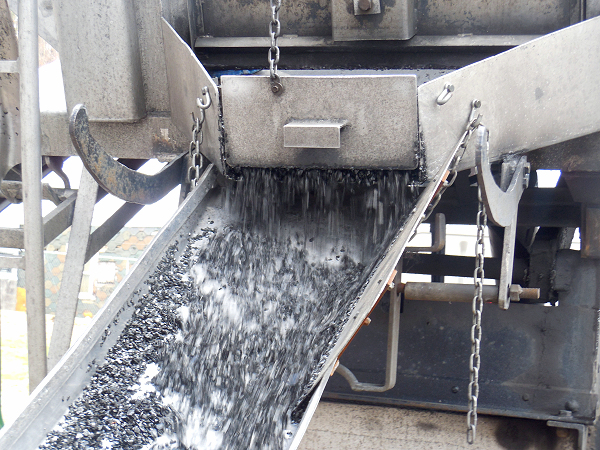

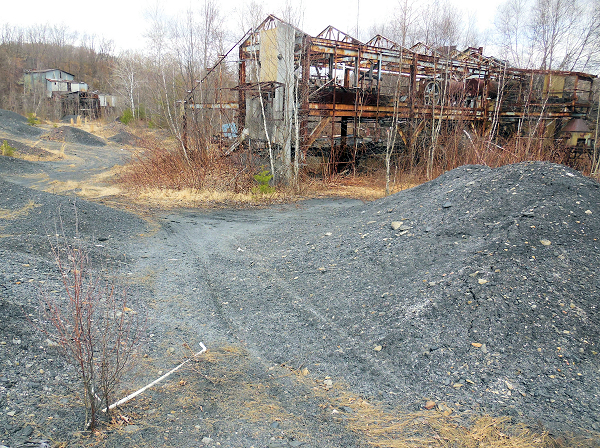

Buck Ridge Colliery was a property of Philadelphia and Reading Coal & Iron Co. in the late 1800s. It was abandoned in 1900. In 1903 Buck Ridge Coal Mining Co. leased the property and opened Buck Ridge No. 1 & 2 mines. Buck Ridge Coal Mining was incorporated in 1911, and finally bought the Buck Ridge property outright in 1923. Not long after, the firm was mired in legal troubles. The next operator of Buck Ridge was Puritan Coal Mining Co. Finally, Junior Coal Co. wound down Buck Run's operations with small production for local consumption in 1931-32.
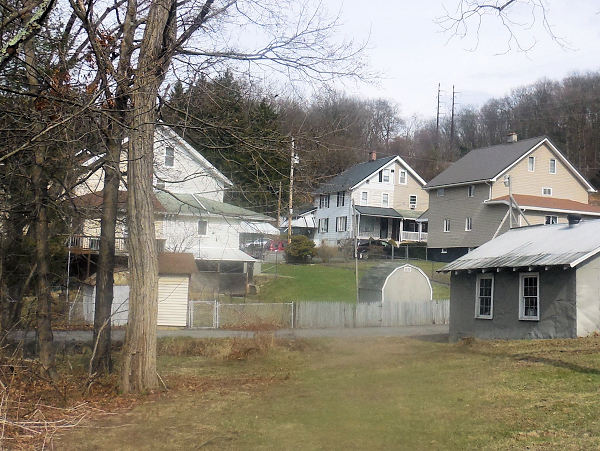

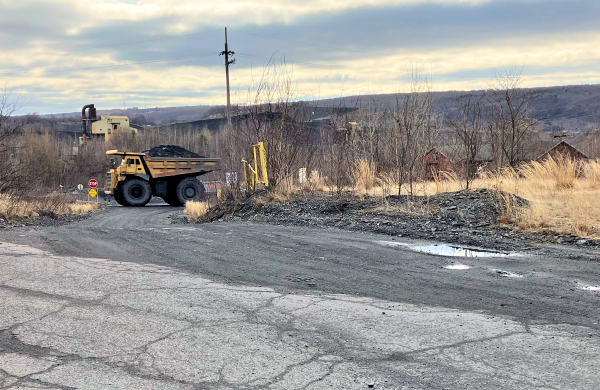
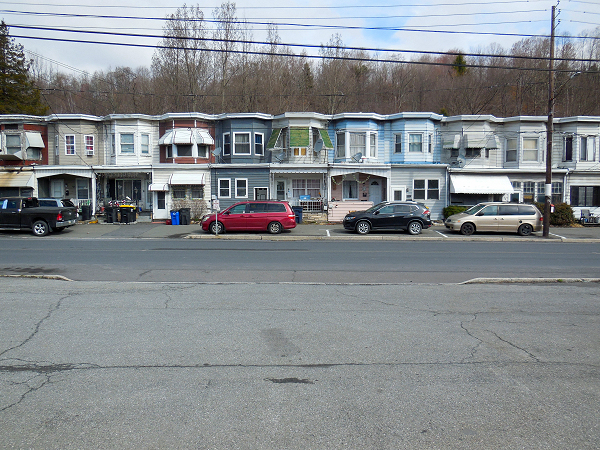

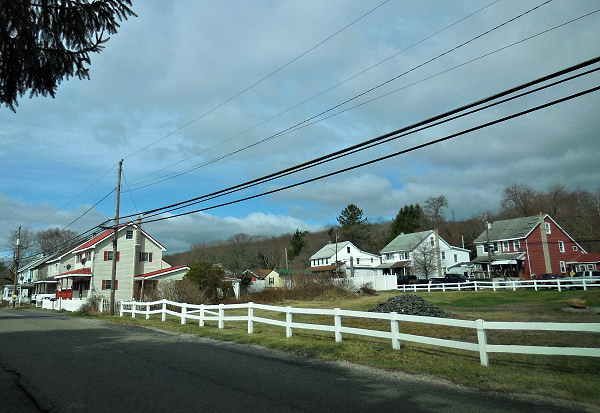
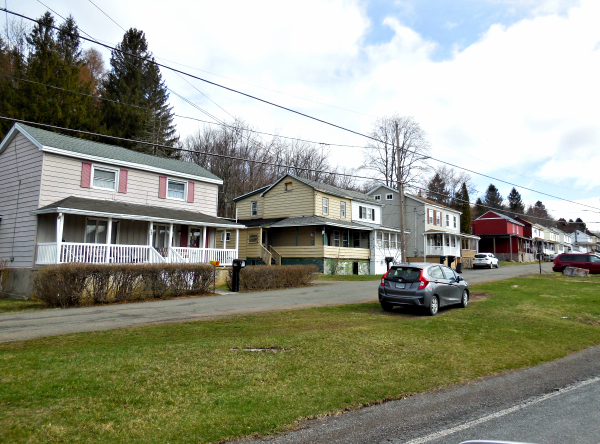


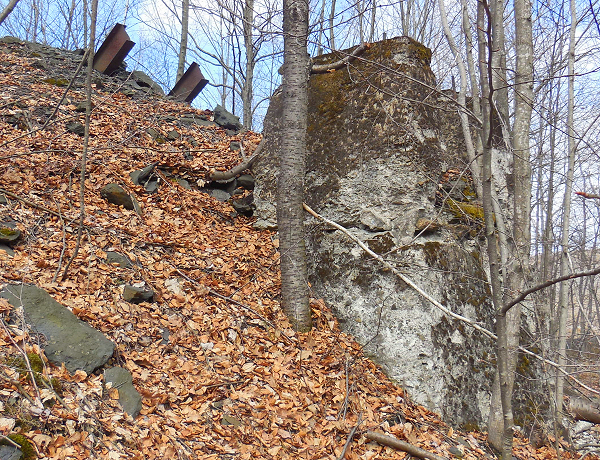
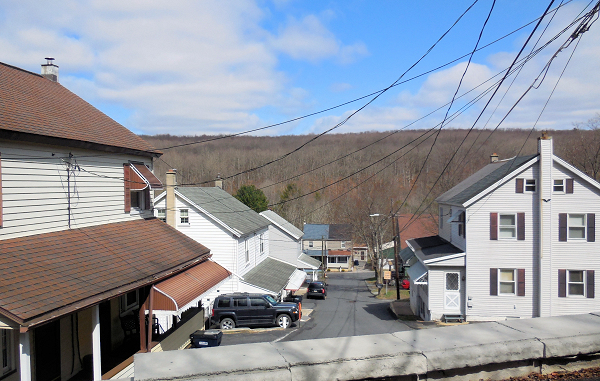
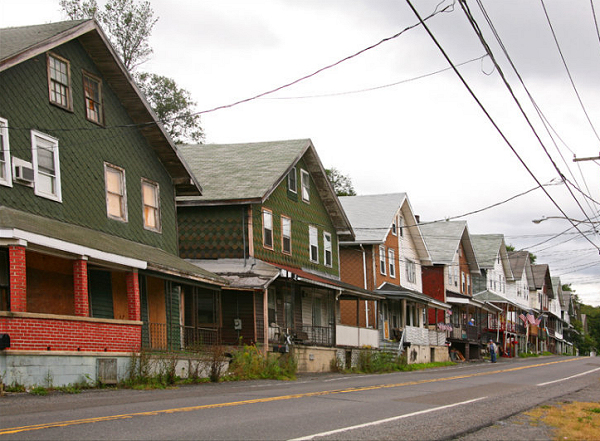
In 1883, some of the workers of the old Buck Mountain mine came to the Mahanoy City area to open a new Buck Mountain mine. Buck Mountain Colliery was operated by Buck Mountain Coal Co. until 1889. Mill Creek Coal Co. was the next operator of Buck Mountain beginning in 1890. In the summer of 1897, new company houses were constructed. The houses shown above may date from that time. Also, the "coal houses" where the company deposited coal for the mining families to use were rebuilt away from the older company houses due to being a fire hazard. The older company houses were also repainted. Mill Creek continued to mine at Buck Mountain into the new century. An explosion in Buck Mountain mine killed seven workers on November 9, 1900. By 1908-09, drainage in the Buck Mountain mines had become very bad, exacerbated by a drainage tunnel built in the neighboring Park Place mines. Lehigh Valley Coal Co. took over Buck Mountain in 1910 and improved mine drainage conditions. L.V. also began construction of a new breaker that would serve both Buck Mountain and nearby Vulcan Colliery, both of which they purchased from Mill Creek C.C. In 1914, "extensive repairs" were made to the patch houses. Lehigh Valley continued the Buck Mountain operations for many more years, including some years that saw organized labor strife.