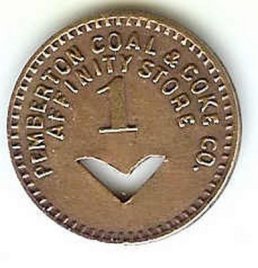
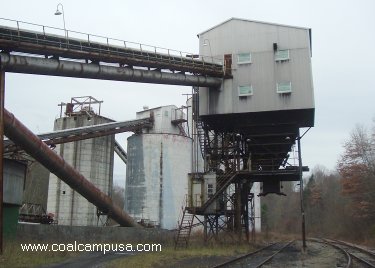
From an April, 1949 Raleigh Register article titled, "Water Worst Need at Affinity One-Room Negro Grade School:" "Water is that stuff people use freely on concrete walks and lawns, and is about the only part of the
meal restaurants offer free of charge. But in many coal camps, there's only one outlet for water, and it's not so universally distributed. To reach the Affinity Negro one-room school it takes a steep climb over a hillside strewn
with slate, and when you arrive at the top, there's scarcely enough water in the crock to satisfy everyone's thirst ... Students hike down to the one water hydrant in the cheerless town of Affinity to secure their supply of water.
They love to do it, said Mrs. Esther King, teacher, but she thinks real running water would still look good to the school. At Fireco [a nearby coal camp], there's a somewhat worse situation. Teacher Mrs. Cora Brown said she
keeps no drinking water because the school's sealed container is worn out. Carrying water in an open bucket is unsanitary, she said, and the water crock leaks. The water which the school has in projects is used for washing
purposes mostly. The children carry water in open buckets to their own homes, Mrs. Brown said, but she still feels a better example should be set by the school."
Hard to believe but the above article describes life in an America which had already entered the Atomic Age. But, even though West Virginia was racially segregated, at least the newspaper referred to the teachers with the
dignified title of "Mrs." At that time, newspapers in Mississippi and Alabama would have only called them by their first name, refusing to address Afrian-Americans as Mr. or Mrs.