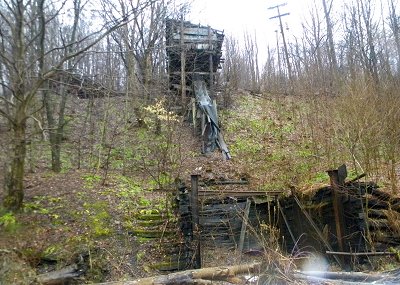
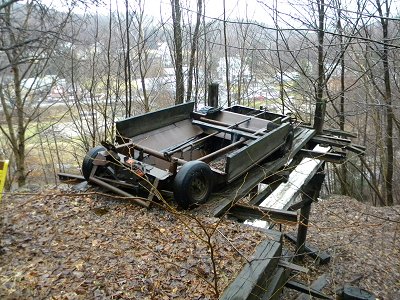
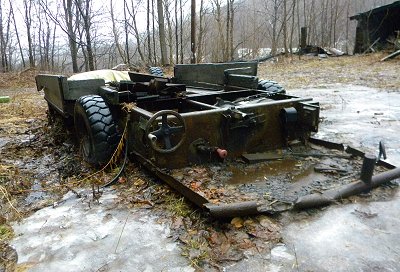
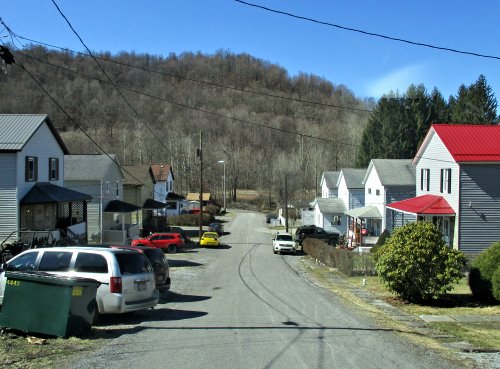
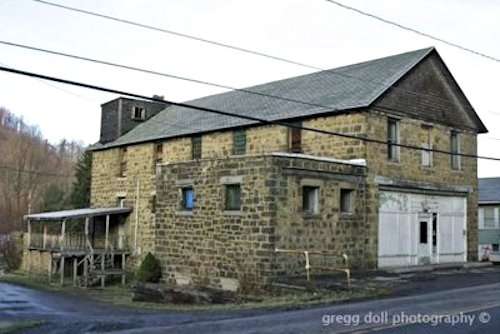
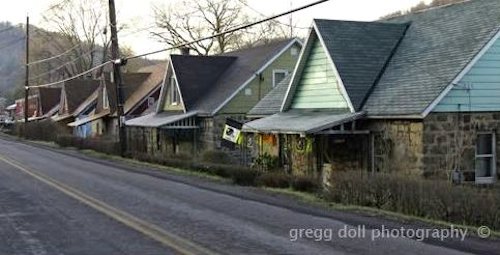
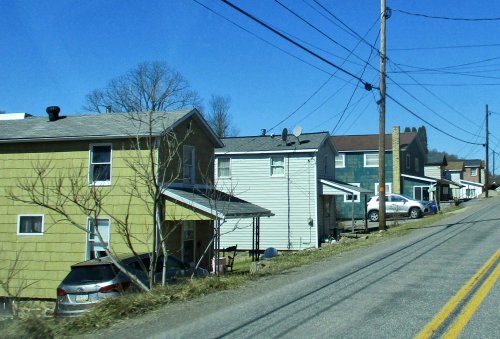
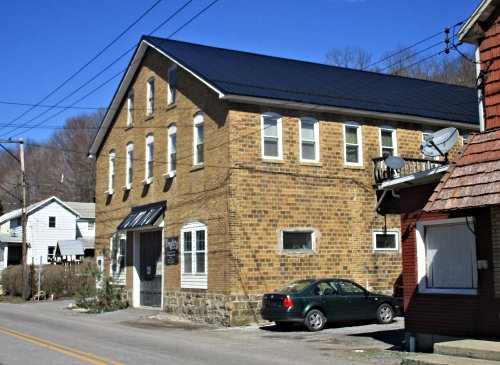
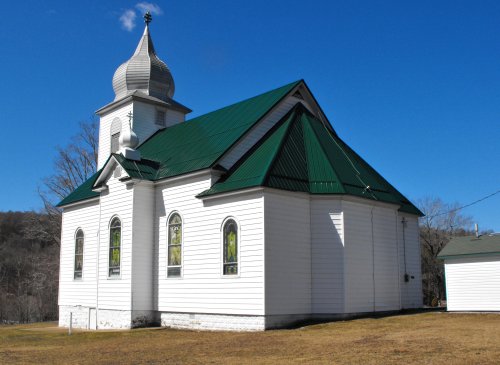
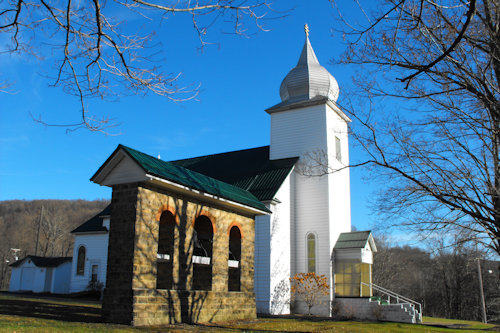
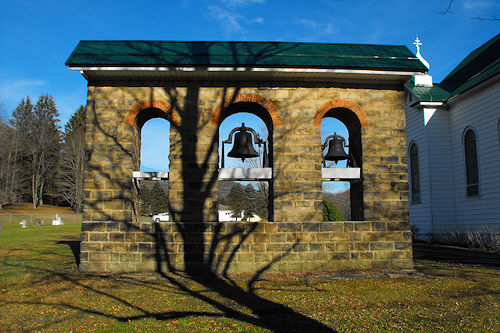
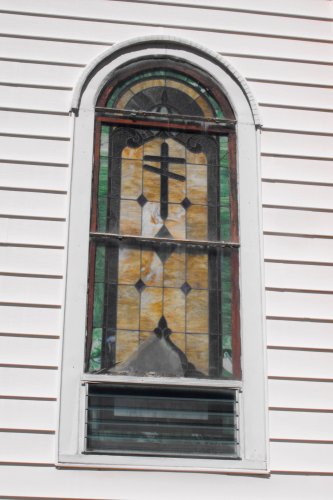
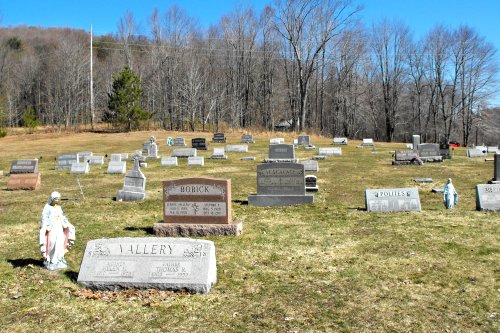
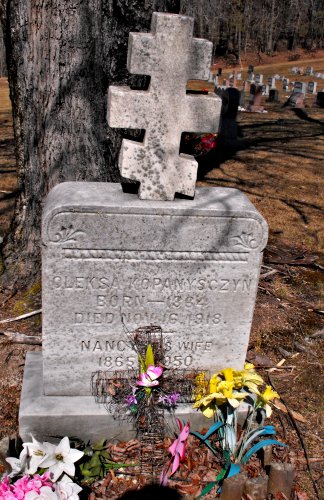
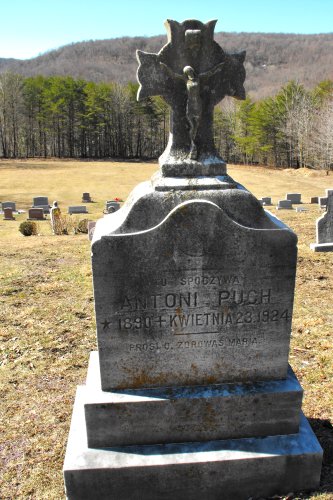
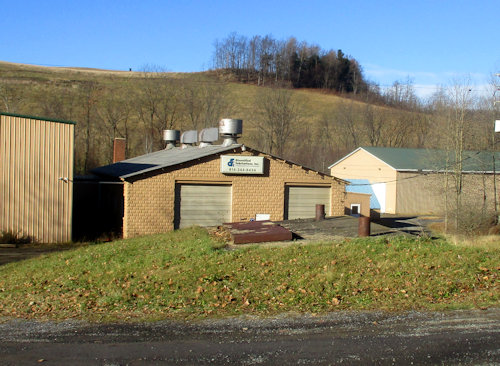
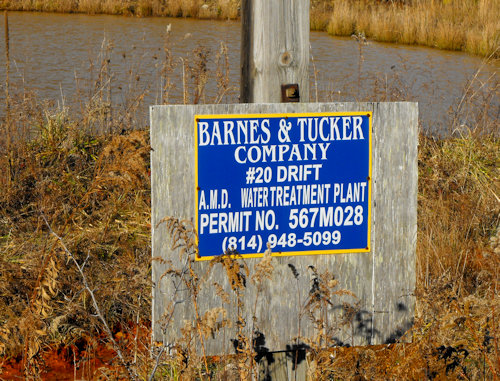
Three communities are situated in a row along the headwaters of the West Branch of the Susquehanna River: Barnes, Bakerton, and Elmora. In 1892, the first coal was shipped by the Elmora Coal Mining Co. Several firms, such as Sterling Coal Co.; Commercial Coal Mining Co.; Peale, Peacock & Kerr Coal Co.; Reed Coal Mining Co.; and Couser Moshannon Coal Co., operated mines at Bakerton.
Also, the Nant-Y-Glo Coal Mining Company's No. 2 (also known as Heisley No. 2) was located in Bakerton, although the company hailed from Nanty-Glo in the southern part of the county.
From a 1975 book named Out of the Dark:
"My Grandma, Mary Niebauier of Elmora, worked as a coal miner in the old Bakerton mine for ten years or more in the early 1900s. At the same time, with the help of Grandpap, Elmer Niebauier, she raised six sons and several daughters.
"Unlike the fuss made now about women miners, a woman worked in the mines without attracting attention. My Grandma worked in the mines. So did a lot of other women. They worked beside their husbands doing the same things their husbands were doing. Grandpap always told me about how Gram used a pick and shovel to break the coal loose. They worked as a team to load the cars. Then one would get on each side and push the cars outside.
"The cars would be dumped and coal hauled away. Both of them worked twelve and thirteen hours a day and never got paid more than a dollar and a half for a day's work. Their pay was determined by how much they produced. If the boss called the load 'dirty coal,' they weren't paid for the car. There was no place for them to take showers or clean up after their shift ended. At the end of the day, they came home to a house that was only what they made it.
"Instead of buying their clothes, Gram made them of cotton, taffeta and wool. Clothing was scrubbed on wash boards. Most of the clothes had to be starched and ironed before they could be worn again. Before the irons could be used, they had to be heated on a coal stove. This often made the iron sooty, so it dirtied or scorched the shirt being ironed and Grandma had to wash it again.
"Some of their meals were composed of berries and bread, stewed tomatoes and bread, beans and bread, or mustard and bread. Gram always made her own bread instead of buying it. If they were lucky, they had meat once a week. There were no refrigerators or freezers to keep things from spoiling, so their meat was preserved in salt. Some of the other foods were cold-packed in jars until it was ready for use.
"For home lighting, kerosene lamps, fluorescent lamps, and candles were used. Light was also provided by fireplaces which, along with heating stoves, were also a source of heating the homes."
"This is what Grandma had to look forward to in the evening after a shift as a coal miner breaking coal loose and pushing coal cars with Grandpa ..."
Sources:
Fitzsimons, Gray, editor. Blair and Cambria County, Pennsylvania; An Inventory of Historic Engineering and Industrial Sites. 1990.
http://patheoldminer.rootsweb.ancestry.com (now defunct), by Ray Washlaski. Accessed here through the Wayback Machine.
Pennsylvania Mine Map Atlas, 10 Apr. 2021, www.minemaps.psu.edu/.
Inzana, Mary Frances. Bakerton (Elmora) Pennsylvania 1889-1989. A.G. Halldin Publishing Co., 1989.
Out of the Dark. A.G. Halldin Publishing Co., 1975.